
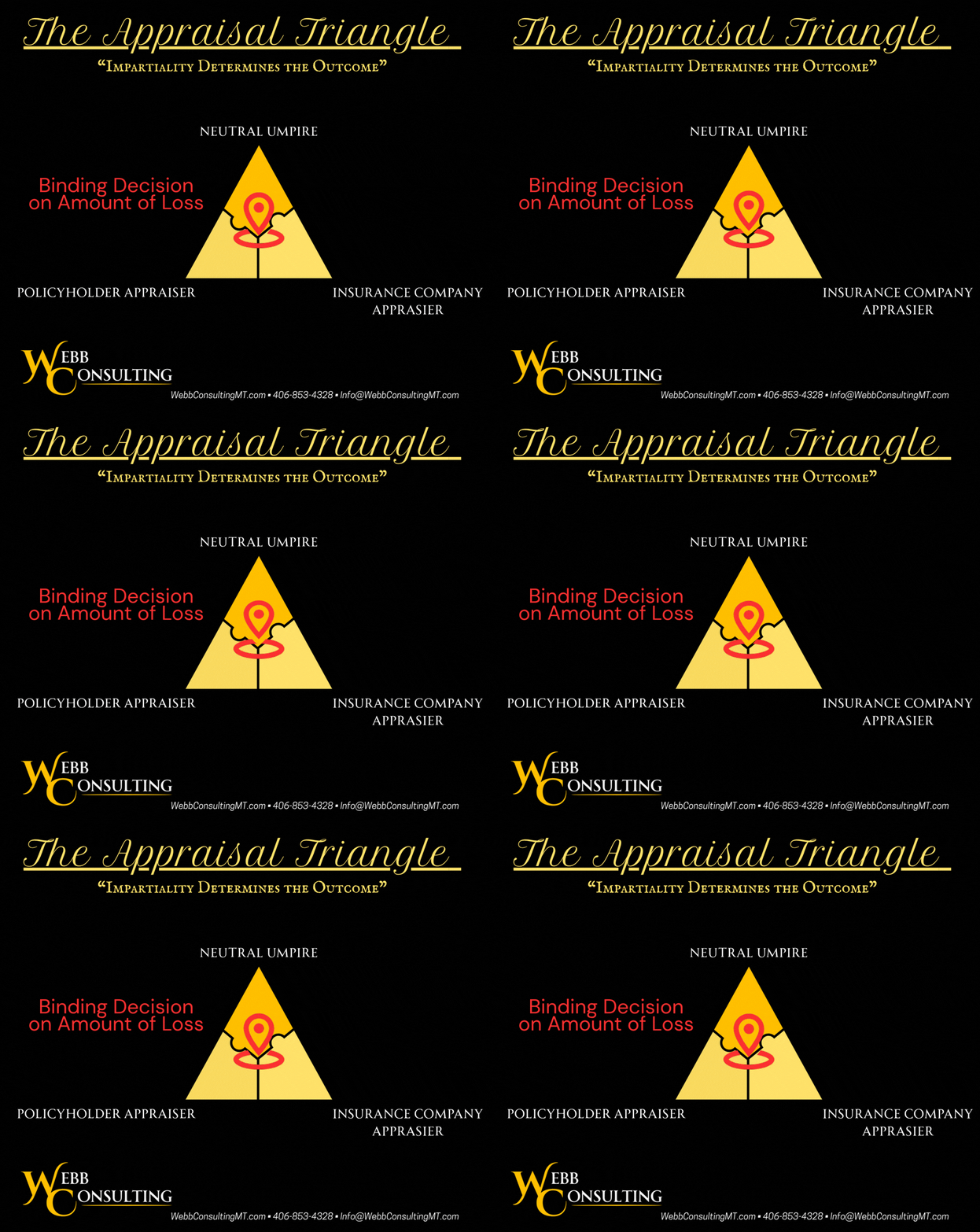
The Insurance Appraisal Process: Why Impartiality Is Critical in Claim Disputes
What is the insurance appraisal process?
The insurance appraisal process is a dispute-resolution method used when a policyholder and an insurer disagree on the amount of loss. Each party selects an appraiser, and a neutral umpire resolves differences, resulting in a binding decision.
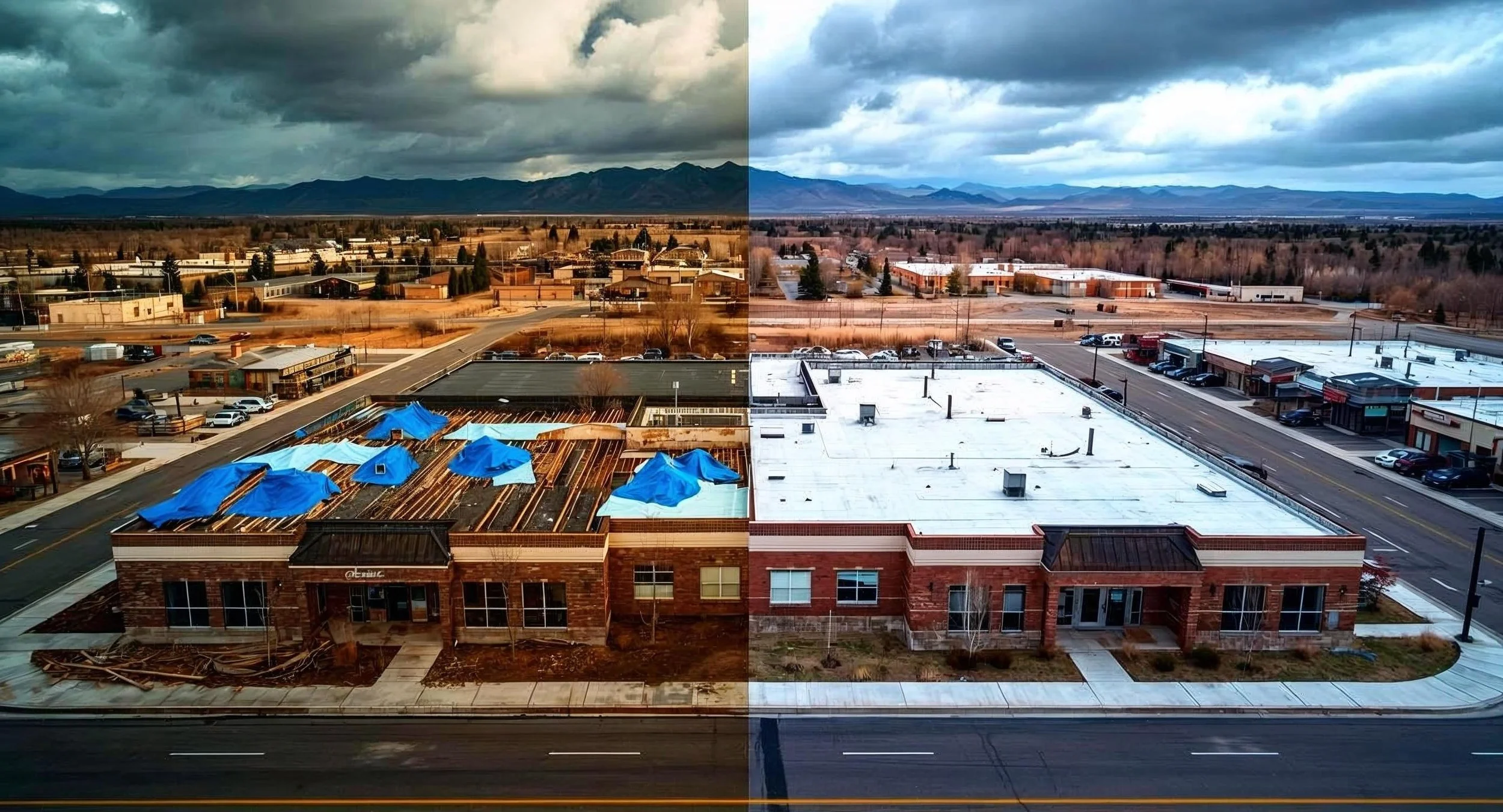
Stop the Second Disaster: Why Commercial Portfolio Owners Need a Commercial Public Adjuster
Major hail and wind losses don’t destroy commercial portfolios — poorly handled insurance claims do. Discover how a Mountain West commercial public adjuster prevents six-figure cash shocks and protects long-term asset value.

The Ultimate Guide to Public Adjusting in Montana: Why Hire a Public Adjuster for Insurance Claims?
Need help with an underpaid or denied insurance claim in Montana? Contact Webb Consulting LLC for a free claim review and start your Claim Roadmap today.
Public Adjusters in Montana: Why Webb Consulting LLC in Red Lodge is the Solution for Property Owners and Management Companies During Insurance Claims
“Insurance contract adherence means policyholders consistently pay premiums and insurers fairly honor valid claims. This mutual commitment builds trust, ensures fair pricing, and maintains the risk-pooling system that makes coverage possible. Without contract adherence, insurance collapses—eroding protection for individuals, businesses, and communities.”

The Foundation of Protection: Why Insurance Contract Adherence Creates Mutual Understanding and Clear Purpose
“Insurance contract adherence means policyholders consistently pay premiums and insurers fairly honor valid claims. This mutual commitment builds trust, ensures fair pricing, and maintains the risk-pooling system that makes coverage possible. Without contract adherence, insurance collapses—eroding protection for individuals, businesses, and communities.”

Understanding Montana Insurance Law: How the Reasonable Expectations Doctrine and Plain Language Requirements Protect Montanans
“Montana insurance law protects policyholders with two key safeguards: the reasonable expectations doctrine, which ensures coverage aligns with what a typical consumer would expect, and plain language requirements, which mandate clear, simple policy wording. Together, they reduce disputes, strengthen claims, and promote fair treatment for Montanans.”